
An Overview of Taiwan's Status and the Functioning of the Universe
Issac Newton cast aside the premise that "The Earth is at the center of the universe," and was then able to make much progress in his astronomical studies. In a similar fashion, we should cast aside the premise that "Taiwan is an independent sovereign nation, and its name is the Republic of China." Only then will we be able to find the proper direction for Taiwan's future development.
Issac Newton cast aside the premise that "The Earth is at the center of the universe," and was then able to make much progress in his astronomical stu
https://www.youtube.com/watch?v=68YrF4IUeH0
0
0
Taiwan Perspectives (4)-v2: Lessons from the Mexican American War
The notion that we can learn many valuable lessons from the study of the conduct of war, and the new dispositions of territory which have resulted from war, is not popular among most Taiwan and China scholars. They much prefer to advance their theories regarding a correct statement of "Taiwan's legal status" in a vacuum, without reference to other international precedent.
Of particular note is that many civilian scholars seem to agree with the proposition that Chiang Kai-shek (CKS), and his followers, can "define" the legal significance of the Oct. 25, 1945, surrender ceremonies in Taiwan any way they want. Based on that, in their view, all future legal relationships for (and between) Taiwan territory, the Taiwanese people, and the world community will then flow from the premises which CKS has established.
In fact, nothing could be further from the truth. The post-Napoleonic world has seen many instances of surrender ceremonies after war, and customary precedent has already firmly defined all related legal parameters. Hence, in Part IV of our series of TAIWAN PERSPECTIVES, we do a thorough overview of the Mexican American War, the causes of the war, and two particularly notable legal developments. These were the U.S. Supreme Court cases which clarified important points of legal confusion and debate which occurred in that era.
The conclusions reached by the U.S. Supreme Court in these cases are also very applicable to a discussion of Taiwan history beginning in 1945. Moreover, the role of the USA in Taiwan affairs can be better understood by referring to these decisions and their ramifications.
Unfortunately, even today, the majority of government officials, university academics, and UN staff members still completely overlook the similarities between the situations of the Mexican American War occupations, and the situation of Taiwan after the close of hostilities in WWII. This video is a long needed introduction to this important area of legal studies.
In summary, this 4-part series of TAIWAN PERSPECTIVES videos is one which every person interested in the USA - PRC - Taiwan triangular relationship should watch (and re-watch), as well as recommend to their friends, associates, teachers, professors, debating club members, and representatives in Congress.
= = = = = = = = = = = = = = = = = = = = = = =
Chinese subtitled version
https://youtu.be/ed5_i2K2Bwo
Of particular note is that many civilian scholars seem to agree with the proposition that Chiang Kai-shek (CKS), and his followers, can "define" the legal significance of the Oct. 25, 1945, surrender ceremonies in Taiwan any way they want. Based on that, in their view, all future legal relationships for (and between) Taiwan territory, the Taiwanese people, and the world community will then flow from the premises which CKS has established.
In fact, nothing could be further from the truth. The post-Napoleonic world has seen many instances of surrender ceremonies after war, and customary precedent has already firmly defined all related legal parameters. Hence, in Part IV of our series of TAIWAN PERSPECTIVES, we do a thorough overview of the Mexican American War, the causes of the war, and two particularly notable legal developments. These were the U.S. Supreme Court cases which clarified important points of legal confusion and debate which occurred in that era.
The conclusions reached by the U.S. Supreme Court in these cases are also very applicable to a discussion of Taiwan history beginning in 1945. Moreover, the role of the USA in Taiwan affairs can be better understood by referring to these decisions and their ramifications.
Unfortunately, even today, the majority of government officials, university academics, and UN staff members still completely overlook the similarities between the situations of the Mexican American War occupations, and the situation of Taiwan after the close of hostilities in WWII. This video is a long needed introduction to this important area of legal studies.
In summary, this 4-part series of TAIWAN PERSPECTIVES videos is one which every person interested in the USA - PRC - Taiwan triangular relationship should watch (and re-watch), as well as recommend to their friends, associates, teachers, professors, debating club members, and representatives in Congress.
= = = = = = = = = = = = = = = = = = = = = = =
Chinese subtitled version
https://youtu.be/ed5_i2K2Bwo
The notion that we can learn many valuable lessons from the study of the conduct of war, and the new dispositions of territory which have resulted fro
https://www.youtube.com/watch?v=bTd5DgjVm3A
0
0
The Republic of China flag and Taiwan
On New Year’s Day 2015, the ROC flag was raised in several ceremonies near Washington, D.C. However, both the American Institute in Taiwan and the Dept. of State stressed that flying the ROC flag "violated" previous agreements, treaties, laws, etc. and is inconsistent with U.S. policy. In reaction to this, the ROC flag was immediately taken down.
Today, however, the question remains: Why is the ROC flag flying over Taiwan? Why isn’t the ROC flag being taken down in Taipei, Taichung, Kaohsiung and other Taiwan cities, according to the precedent established in Washington D.C.?
Importantly, are there any “legal justifications” for the ROC flag to be flying over Taiwan? This video discusses all relevant details.
Today, however, the question remains: Why is the ROC flag flying over Taiwan? Why isn’t the ROC flag being taken down in Taipei, Taichung, Kaohsiung and other Taiwan cities, according to the precedent established in Washington D.C.?
Importantly, are there any “legal justifications” for the ROC flag to be flying over Taiwan? This video discusses all relevant details.
On New Year’s Day 2015, the ROC flag was raised in several ceremonies near Washington, D.C. However, both the American Institute in Taiwan and the Dep
https://www.youtube.com/watch?v=ZoXjDrZ3sFk
0
0
Taiwan Arms Sales and Military Conscription
At the close of fighting in the Pacific War, it was the USA which was the legal occupier of Japan and her overseas territories such as Taiwan. In 1952, Taiwan was not awarded to the Republic of China (ROC) in the San Francisco Peace Treaty (SFPT), but the US still allowed the ROC government officials and military personnel to remain in Taiwan as a proxy occupying force, serving as a bulwark against communist expansion. Under the terms of the treaty, the United States then continued its role as the “principal occupying power.”
Based on the 1979 Taiwan Relations Act, the United States sells military hardware to Taiwan, but such sales must necessarily be predicated on an assumption that mandatory military conscription policies in the ROC rest on a firm legal basis. Is there any such legal basis? This video looks at some of the details involved in answering this question.
At the close of fighting in the Pacific War, it was the USA which was the legal occupier of Japan and her overseas territories such as Taiwan. In 195
https://www.youtube.com/watch?v=W6pgj133n_s
0
0
The End of the War and Taiwan's Undetermined Status
This video explains three common mistakes which many researchers make in discussing Taiwan's legal status. It also includes some insights on how some people "misinterpret" the content of the post-war San Francisco Peace Treaty when discussing the topic of "Who owns Taiwan?"
A sophisticated "Sovereignty Displacement Analysis" is also provided. Moreover, detailed references for the legal concepts presented herein are given at the end.
= = = = = = = = = = = = = =
Chinese subtitled version --
https://youtu.be/1-EEfgKSWNA
A sophisticated "Sovereignty Displacement Analysis" is also provided. Moreover, detailed references for the legal concepts presented herein are given at the end.
= = = = = = = = = = = = = =
Chinese subtitled version --
https://youtu.be/1-EEfgKSWNA
This video explains three common mistakes which many researchers make in discussing Taiwan's legal status. It also includes some insights on how some
https://www.youtube.com/watch?v=GihhzLiaT4A
0
0
(2) Commonly Seen Mistakes -- Discussing the Legal Status of Taiwan
Chinese subtitle version -- https://www.youtube.com/watch?v=5zdaMHhlPyM
Commonly Seen Mistakes when discussing the Legal Status of Taiwan, Part 2
TOPICS
5) The military occupation of Taiwan ended in 1952.
6) The Republic of China is the occupying power of Taiwan, hence its government officers can decide how to make all laws and regulations.
7) Taiwan was incorporated into ROC national territory via procedures in the ROC Constitution regarding “new territory.”
8) With no final disposition of Taiwan in the peace treaty, sovereignty is held by the local Taiwanese people.
Commonly Seen Mistakes when discussing the Legal Status of Taiwan, Part 2
TOPICS
5) The military occupation of Taiwan ended in 1952.
6) The Republic of China is the occupying power of Taiwan, hence its government officers can decide how to make all laws and regulations.
7) Taiwan was incorporated into ROC national territory via procedures in the ROC Constitution regarding “new territory.”
8) With no final disposition of Taiwan in the peace treaty, sovereignty is held by the local Taiwanese people.
Chinese subtitle version -- https://www.youtube.com/watch?v=5zdaMHhlPyM
Commonly Seen Mistakes when discussing the Legal Status of Taiwan, Part 2
TO
Commonly Seen Mistakes when discussing the Legal Status of Taiwan, Part 2
TO
https://www.youtube.com/watch?v=G2H3jkXYSCQ
0
0
(1) Commonly Seen Mistakes -- Discussing the Legal Status of Taiwan
Chinese subtitle version -- https://youtu.be/g_23FWKyRhw
Commonly Seen Mistakes when discussing the Legal Status of Taiwan, Part 1
TOPICS
1) The Japanese surrender ceremonies of October 25, 1945 marked the conclusion of WWII in the Pacific, and Japanese sovereignty over Taiwan ended.
2) The transfer of Taiwan’s territorial sovereignty to China was completed via the holding of formal Japanese surrender ceremonies in Taipei.
3) The Republic of China moved its central government to Taiwan in December 1949, and thus became the island’s legal government.
4) Taiwan was awarded to China in the post-war WWII peace treaties.
Commonly Seen Mistakes when discussing the Legal Status of Taiwan, Part 1
TOPICS
1) The Japanese surrender ceremonies of October 25, 1945 marked the conclusion of WWII in the Pacific, and Japanese sovereignty over Taiwan ended.
2) The transfer of Taiwan’s territorial sovereignty to China was completed via the holding of formal Japanese surrender ceremonies in Taipei.
3) The Republic of China moved its central government to Taiwan in December 1949, and thus became the island’s legal government.
4) Taiwan was awarded to China in the post-war WWII peace treaties.
Chinese subtitle version -- https://youtu.be/g_23FWKyRhw
Commonly Seen Mistakes when discussing the Legal Status of Taiwan, Part 1
TOPICS
1) The
Commonly Seen Mistakes when discussing the Legal Status of Taiwan, Part 1
TOPICS
1) The
https://www.youtube.com/watch?v=ZQXf8UpvAV8
0
0
(3) Commonly Seen Mistakes -- Discussing the Legal Status of Taiwan
Chinese subtitle version -- https://www.youtube.com/watch?v=JV6_NfV-WxU
Commonly Seen Mistakes when discussing the Legal Status of Taiwan, Part 3
TOPICS
9) The ROC on Taiwan, under any definition, meets the criteria to be a sovereign state.
10) After more than seventy years governing Taiwan, the Republic of China has a long record of “effective territorial control,” and therefore can claim sovereignty over Taiwan.
11) With the institution of popular elections for President in 1996, the ROC in Taiwan has already become a “domestic regime.”
12) In order to become a true state in the international community, Taiwan should declare its independence.
Commonly Seen Mistakes when discussing the Legal Status of Taiwan, Part 3
TOPICS
9) The ROC on Taiwan, under any definition, meets the criteria to be a sovereign state.
10) After more than seventy years governing Taiwan, the Republic of China has a long record of “effective territorial control,” and therefore can claim sovereignty over Taiwan.
11) With the institution of popular elections for President in 1996, the ROC in Taiwan has already become a “domestic regime.”
12) In order to become a true state in the international community, Taiwan should declare its independence.
Chinese subtitle version -- https://www.youtube.com/watch?v=JV6_NfV-WxU
Commonly Seen Mistakes when discussing the Legal Status of Taiwan, Part 3
TO
Commonly Seen Mistakes when discussing the Legal Status of Taiwan, Part 3
TO
https://www.youtube.com/watch?v=xBM2eitndI0
0
0
(4) Commonly Seen Mistakes -- Discussing the Legal Status of Taiwan
Chinese subtitle version -- https://www.youtube.com/watch?v=kH5voeZmubI
Commonly Seen Mistakes when discussing the Legal Status of Taiwan, Part 4
[ Chinese subtitle version, see -- https://youtu.be/kH5voeZmubI ]
TOPICS
13) The Taiwan Relations Act mandates the sale of military equipment and hardware to Taiwan.
14) Under the One China Policy, the maintenance of an ROC Ministry of National Defense on Taiwan is fully authorized.
15) The legal basis for the establishment of ROC Ministry of National Defense in Taiwan can be found in international law.
16) As a non sovereign nation, the ROC on Taiwan is qualified to have military conscription policies.
Commonly Seen Mistakes when discussing the Legal Status of Taiwan, Part 4
[ Chinese subtitle version, see -- https://youtu.be/kH5voeZmubI ]
TOPICS
13) The Taiwan Relations Act mandates the sale of military equipment and hardware to Taiwan.
14) Under the One China Policy, the maintenance of an ROC Ministry of National Defense on Taiwan is fully authorized.
15) The legal basis for the establishment of ROC Ministry of National Defense in Taiwan can be found in international law.
16) As a non sovereign nation, the ROC on Taiwan is qualified to have military conscription policies.
Chinese subtitle version -- https://www.youtube.com/watch?v=kH5voeZmubI
Commonly Seen Mistakes when discussing the Legal Status of Taiwan, Part 4
[
Commonly Seen Mistakes when discussing the Legal Status of Taiwan, Part 4
[
https://www.youtube.com/watch?v=2z_BYShinpo
0
0
Taiwanese “Republic of China” Passports: ILLEGAL under the Taiwan Relations Act?
651 sec.
Views: 4426
Taiwanese “Republic of China” Passports: ILLEGAL under the Taiwan Relations Act?
A recent invitation-only press briefing at the White House discussed the questionable legal status of passports issued by the non-sovereign Republic of China regime on Taiwan.
Of particular note is that these passports indicate that the bearer has a nationality of the "Republic of China." However, under current ISO regulations and United Nations guidelines, the Republic of China is not recognized as a "state," and there is no such nationality in the world community.
Hence, native Taiwanese persons who carry "Republic of China" passports are continually suffering serious insults to their human dignity.
All people interested in Taiwan human rights issues should watch this video carefully, and seriously consider the legal implications of all the commentary and discussion.
Of particular note is that these passports indicate that the bearer has a nationality of the "Republic of China." However, under current ISO regulations and United Nations guidelines, the Republic of China is not recognized as a "state," and there is no such nationality in the world community.
Hence, native Taiwanese persons who carry "Republic of China" passports are continually suffering serious insults to their human dignity.
All people interested in Taiwan human rights issues should watch this video carefully, and seriously consider the legal implications of all the commentary and discussion.
A recent invitation-only press briefing at the White House discussed the questionable legal status of passports issued by the non-sovereign Republic o
https://www.youtube.com/watch?v=nhGBiSXLPn0
0
0
Passports Carried by Taiwanese People: ILLEGAL since 1979?
The recent White House press briefing on Taiwan passport matters left many issues unresolved. Thankfully, more and more news reporters are becoming aware of the seriousness of this issue, and then pressing US Executive Branch officials for further explanations.
If the legal status of Taiwan is "unresolved," as US officials continually state, where is the legal basis for native Taiwanese people to be holding Republic of China passports that identify them as having "ROC nationality" ? Isn't such an arrangement a direct violation of the One China Policy?
Should US officials look more carefully at the post-war San Francisco Peace Treaty for legal guidance on this issue?
Increasing numbers of reporters are beginning to investigate all aspects of this Taiwan passport problem. It is expected that more and more reportage will appear in the United States and international news media in the election year of 2016.
POWERPOINT
The title and internet address of the Powerpoint mentioned in this video are given as follows --
The United States' Mishandling of Taiwanese Nationality & Citizenship, Personal Identity, and Passport Matters since 1946
http://www.twsite.net/taiwan-pass.htm
If the legal status of Taiwan is "unresolved," as US officials continually state, where is the legal basis for native Taiwanese people to be holding Republic of China passports that identify them as having "ROC nationality" ? Isn't such an arrangement a direct violation of the One China Policy?
Should US officials look more carefully at the post-war San Francisco Peace Treaty for legal guidance on this issue?
Increasing numbers of reporters are beginning to investigate all aspects of this Taiwan passport problem. It is expected that more and more reportage will appear in the United States and international news media in the election year of 2016.
POWERPOINT
The title and internet address of the Powerpoint mentioned in this video are given as follows --
The United States' Mishandling of Taiwanese Nationality & Citizenship, Personal Identity, and Passport Matters since 1946
http://www.twsite.net/taiwan-pass.htm
The recent White House press briefing on Taiwan passport matters left many issues unresolved. Thankfully, more and more news reporters are becoming a
https://www.youtube.com/watch?v=yWOpUPTVVVo
0
0
General Douglas MacArthur and the Taiwan Passport Controversy
General Douglas MacArthur did not agree that the territorial sovereignty of Taiwan was transferred to China on Oct. 25, 1945, or that the native Taiwanese people were correctly classified as having the nationality of "Republic of China."
Nearly 65 years after General MacArthur made these remarks, the native Taiwanese are now beginning to wake up to the reality that their nationality status is incorrect, and that the mistreatment which they receive in the international community is (in large part) due to their misclassification as ROC Chinese.
In order to comprehend the related historical events in more detail, and to better understand General MacArthur's views on these subjects, our study group has done many months of research. The result is this video which all persons interested in Taiwan human rights issues should watch carefully.
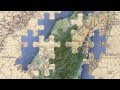
Nearly 65 years after General MacArthur made these remarks, the native Taiwanese are now beginning to wake up to the reality that their nationality status is incorrect, and that the mistreatment which they receive in the international community is (in large part) due to their misclassification as ROC Chinese.
In order to comprehend the related historical events in more detail, and to better understand General MacArthur's views on these subjects, our study group has done many months of research. The result is this video which all persons interested in Taiwan human rights issues should watch carefully.
General Douglas MacArthur did not agree that the territorial sovereignty of Taiwan was transferred to China on Oct. 25, 1945, or that the native Taiwa
https://www.youtube.com/watch?v=9SLJRn-6V8Q
0
0
Cuba and Taiwan: Passport Controversies
There are many valid comparisons which can be made between the situations of (1) Taiwan after WWII in the Pacific, and (2) Cuba after the Spanish American War.
Most important is to recognize that both Taiwan and Cuba were both non-sovereign entities for a lengthy period of time. Under such circumstances, the question arises: "What type of travel documents should the local islanders be holding?" Indeed it is commonly seen that many researchers are very confused about this aspect.
This video overviews relevant precedent, thereby quickly finding an answer to this perplexing question. Please watch the video for full details.
Most important is to recognize that both Taiwan and Cuba were both non-sovereign entities for a lengthy period of time. Under such circumstances, the question arises: "What type of travel documents should the local islanders be holding?" Indeed it is commonly seen that many researchers are very confused about this aspect.
This video overviews relevant precedent, thereby quickly finding an answer to this perplexing question. Please watch the video for full details.
There are many valid comparisons which can be made between the situations of (1) Taiwan after WWII in the Pacific, and (2) Cuba after the Spanish Amer
https://www.youtube.com/watch?v=1_nM052_de0
0
0
San Francisco Peace Treaty, USMG, and Taiwan
According to Article 4(b) of the San Francisco Peace Treaty of April 28, 1952, the dispositions of both the Ryukyus and Taiwan (which were "Japanese property") are subject to the directives of the United States Military Government (USMG).
Based on the specifications in the treaty, the Ryukyus were formally elevated to the status of United Nations Trusteeship, while continuing under the jurisdiction of USMG.
For Taiwan however, with no formal trusteeship agreement in place, a correct description of Taiwan's international legal status appears to be "quasi-trusteeship under USMG."
In the mid-1950s, the United States began returning various island groups in the Ryukyu island chain to Japan. The last island group was returned effective May 15, 1972, and USMG jurisdiction over the Ryukyus formally ceased on this date, as announced by US President Nixon.
So, when was the end of USMG jurisdiction over Taiwan? If no such announcement has ever been made, doesn't that mean Taiwan is an overseas territory of the USA??
Our webpage examines the content of the San Francisco Peace Treaty in detail, to see what secrets it holds. Please visit the webpage, and download the accompanying Powerpoint file --
http://www.twclarify.com/taiwan/sfpt/
Based on the specifications in the treaty, the Ryukyus were formally elevated to the status of United Nations Trusteeship, while continuing under the jurisdiction of USMG.
For Taiwan however, with no formal trusteeship agreement in place, a correct description of Taiwan's international legal status appears to be "quasi-trusteeship under USMG."
In the mid-1950s, the United States began returning various island groups in the Ryukyu island chain to Japan. The last island group was returned effective May 15, 1972, and USMG jurisdiction over the Ryukyus formally ceased on this date, as announced by US President Nixon.
So, when was the end of USMG jurisdiction over Taiwan? If no such announcement has ever been made, doesn't that mean Taiwan is an overseas territory of the USA??
Our webpage examines the content of the San Francisco Peace Treaty in detail, to see what secrets it holds. Please visit the webpage, and download the accompanying Powerpoint file --
http://www.twclarify.com/taiwan/sfpt/
According to Article 4(b) of the San Francisco Peace Treaty of April 28, 1952, the dispositions of both the Ryukyus and Taiwan (which were "Japanese p
https://www.youtube.com/watch?v=3ID94whyELM
0
0
Taiwan Perspectives (1): Lessons about Sovereignty
Many essays on the internet and videos on YouTube try to explain the concept of "sovereignty" in an understandable fashion, but few succeed. As a result, the confusion over this important legal issue expands with every passing day. Repeated calls on the U.S. Executive Branch to explain why the Republic of China on Taiwan (in particular) is regarded a non sovereign nation have only been met with differing series of illogical statements and bewildering double-talk.
However, with the release of this series of three videos, the truth has now been brought to light, and the real meaning of the term "sovereignty" can be illuminated for everyone to see. After watching this series of videos, all members of the public will comprehend the true legal and historical basis for the classifying certain areas of the globe, including the Republic of China on Taiwan, as non sovereign entities. For those who have been puzzled over the explanations of "sovereignty" presented in other videos, and in other reportage on the internet, the videos in this TAIWAN PERSPECTIVES series must be viewed at the earliest opportunity.
In summary, these are videos that every person interested in the USA - PRC - Taiwan triangular relationship should watch, as well as recommend to their friends, associates, teachers, professors, debating club members, and representatives in Congress.
However, with the release of this series of three videos, the truth has now been brought to light, and the real meaning of the term "sovereignty" can be illuminated for everyone to see. After watching this series of videos, all members of the public will comprehend the true legal and historical basis for the classifying certain areas of the globe, including the Republic of China on Taiwan, as non sovereign entities. For those who have been puzzled over the explanations of "sovereignty" presented in other videos, and in other reportage on the internet, the videos in this TAIWAN PERSPECTIVES series must be viewed at the earliest opportunity.
In summary, these are videos that every person interested in the USA - PRC - Taiwan triangular relationship should watch, as well as recommend to their friends, associates, teachers, professors, debating club members, and representatives in Congress.
Many essays on the internet and videos on YouTube try to explain the concept of "sovereignty" in an understandable fashion, but few succeed. As a res
https://www.youtube.com/watch?v=7quN8ARO5ts
0
0
Taiwan Perspectives (2): Lessons from the Spanish American War
As mentioned in the first installment of this series, many essays on the internet and videos on YouTube try to explain the concept of "sovereignty" in an understandable fashion, but few succeed. As a result, the confusion over this important legal issue expands with every passing day. In particular, an accurate explanation of why the Republic of China on Taiwan is regarded a non sovereign nation seems to be hard to find on most internet sites. Adding to the overall bewilderment is the fact that such an explanation is also unavailable from any official sources, such as the officers in the executive departments of leading world nations, the Asian experts in prominent think-tanks, or the Office of Legal Affairs of the United Nations.
Surprisingly, what the majority of government officials, university academics, and UN staff members completely overlook are the similarities between the situations of the Spanish American War cessions, and particularly Cuba, with the situation of Taiwan beginning in 1945. A detailed analysis of the Spanish American War cessions provides an excellent framework whereby the "non sovereign" status of Taiwan can be derived, and the parameters of that "non sovereign" status can be dissected.
In summary, this series of TAIWAN PERSPECTIVES videos is one which every person interested in the USA - PRC - Taiwan triangular relationship should watch (and re-watch), as well as recommend to their friends, associates, teachers, professors, debating club members, and representatives in Congress.
Surprisingly, what the majority of government officials, university academics, and UN staff members completely overlook are the similarities between the situations of the Spanish American War cessions, and particularly Cuba, with the situation of Taiwan beginning in 1945. A detailed analysis of the Spanish American War cessions provides an excellent framework whereby the "non sovereign" status of Taiwan can be derived, and the parameters of that "non sovereign" status can be dissected.
In summary, this series of TAIWAN PERSPECTIVES videos is one which every person interested in the USA - PRC - Taiwan triangular relationship should watch (and re-watch), as well as recommend to their friends, associates, teachers, professors, debating club members, and representatives in Congress.
As mentioned in the first installment of this series, many essays on the internet and videos on YouTube try to explain the concept of "sovereignty" in
https://www.youtube.com/watch?v=Bur-qlCorfI
0
0
Taiwan Perspectives (3): Lessons from the War of 1812
Many people who research and investigate territorial issues are in fact unable to offer a clear explanation regarding the difference between having "sovereignty over territory" with merely having "jurisdiction over territory," and vice versa. As we know, many essays on the internet and videos on YouTube try to explain the concept of "sovereignty" in an understandable fashion, but few succeed. As a result, the confusion over "jurisdiction" and "sovereignty" continues on, and many government officials make important political decisions based on their inadequate knowledge of these subjects. Looking at the current situation in Southeast Asia, particularly notable is that an accurate explanation of why the Republic of China on Taiwan is regarded a non sovereign nation is for the most part unavailable in encyclopedias or other reference materials in leading libraries, or even on the internet. Adding to the overall disorientation on this issue is the fact that a full clarification is also unavailable from any official sources, such as the officers in the executive departments of leading world nations, the Asian experts in prominent think-tanks, or the Office of Legal Affairs of the United Nations.
Surprisingly, what the majority of government officials, university academics, and UN staff members, etc. completely overlook are the similarities between the situations of the War of 1812 (as discussed in this video), and the situation of the 1898 Spanish American War cessions (as discussed in the second video of this series), with the situation of Taiwan beginning in 1945. A detailed analysis of the historical and legal situations in 1812 and 1898 provides an excellent framework whereby the "non sovereign" status of Taiwan can be derived, and the parameters of that "non sovereign" status can be dissected.
In summary, this series of TAIWAN PERSPECTIVES videos is one which every person interested in the USA - PRC - Taiwan triangular relationship should watch (and re-watch), as well as recommend to their friends, associates, teachers, professors, debating club members, and representatives in Congress.
Surprisingly, what the majority of government officials, university academics, and UN staff members, etc. completely overlook are the similarities between the situations of the War of 1812 (as discussed in this video), and the situation of the 1898 Spanish American War cessions (as discussed in the second video of this series), with the situation of Taiwan beginning in 1945. A detailed analysis of the historical and legal situations in 1812 and 1898 provides an excellent framework whereby the "non sovereign" status of Taiwan can be derived, and the parameters of that "non sovereign" status can be dissected.
In summary, this series of TAIWAN PERSPECTIVES videos is one which every person interested in the USA - PRC - Taiwan triangular relationship should watch (and re-watch), as well as recommend to their friends, associates, teachers, professors, debating club members, and representatives in Congress.
Many people who research and investigate territorial issues are in fact unable to offer a clear explanation regarding the difference between having "s
https://www.youtube.com/watch?v=rtgMD5ZvEtk
0
0
Taiwan Perspectives (4): Lessons from the Mexican American War
The notion that we can learn many valuable lessons from the study of the conduct of war, and the new dispositions of territory which have resulted from war, is not popular among most Taiwan and China scholars. They much prefer to advance their theories regarding a correct statement of "Taiwan's legal status" in a vacuum, without reference to other international precedent.
Of particular note is that many civilian scholars seem to agree with the proposition that Chiang Kai-shek (CKS), and his followers, can "define" the legal significance of the Oct. 25, 1945, surrender ceremonies in Taiwan any way they want. Based on that, in their view, all future legal relationships for (and between) Taiwan territory, the Taiwanese people, and the world community will then flow from the premises which CKS has established.
In fact, nothing could be further from the truth. The post-Napoleonic world has seen many instances of surrender ceremonies after war, and customary precedent has already firmly defined all related legal parameters. Hence, in Part IV of our series of TAIWAN PERSPECTIVES, we do a thorough overview of the Mexican American War, the causes of the war, and two particularly notable legal developments. These were the U.S. Supreme Court cases which clarified important points of legal confusion and debate which occurred in that era.
The conclusions reached by the U.S. Supreme Court in these cases are also very applicable to a discussion of Taiwan history beginning in 1945. Moreover, the role of the USA in Taiwan affairs can be better understood by referring to these decisions and their ramifications.
Unfortunately, even today, the majority of government officials, university academics, and UN staff members still completely overlook the similarities between the situations of the Mexican American War occupations, and the situation of Taiwan after the close of hostilities in WWII. This video is a long needed introduction to this important area of legal studies.
In summary, this 4-part series of TAIWAN PERSPECTIVES videos is one which every person interested in the USA - PRC - Taiwan triangular relationship should watch (and re-watch), as well as recommend to their friends, associates, teachers, professors, debating club members, and representatives in Congress.
Of particular note is that many civilian scholars seem to agree with the proposition that Chiang Kai-shek (CKS), and his followers, can "define" the legal significance of the Oct. 25, 1945, surrender ceremonies in Taiwan any way they want. Based on that, in their view, all future legal relationships for (and between) Taiwan territory, the Taiwanese people, and the world community will then flow from the premises which CKS has established.
In fact, nothing could be further from the truth. The post-Napoleonic world has seen many instances of surrender ceremonies after war, and customary precedent has already firmly defined all related legal parameters. Hence, in Part IV of our series of TAIWAN PERSPECTIVES, we do a thorough overview of the Mexican American War, the causes of the war, and two particularly notable legal developments. These were the U.S. Supreme Court cases which clarified important points of legal confusion and debate which occurred in that era.
The conclusions reached by the U.S. Supreme Court in these cases are also very applicable to a discussion of Taiwan history beginning in 1945. Moreover, the role of the USA in Taiwan affairs can be better understood by referring to these decisions and their ramifications.
Unfortunately, even today, the majority of government officials, university academics, and UN staff members still completely overlook the similarities between the situations of the Mexican American War occupations, and the situation of Taiwan after the close of hostilities in WWII. This video is a long needed introduction to this important area of legal studies.
In summary, this 4-part series of TAIWAN PERSPECTIVES videos is one which every person interested in the USA - PRC - Taiwan triangular relationship should watch (and re-watch), as well as recommend to their friends, associates, teachers, professors, debating club members, and representatives in Congress.
The notion that we can learn many valuable lessons from the study of the conduct of war, and the new dispositions of territory which have resulted fro
https://www.youtube.com/watch?v=Z1SGWW3du-k
0
0
Taiwan Elections (2): Human Rights Practices in Taiwan
In regard to Taiwan, the most recent “Country Report on Human Rights Practices” by the U.S. State Dept. Bureau of Democracy, Human Rights and Labor mentions the word constitution twelve times, but does not discuss the issue of how the ROC Constitution came to be regarded as the organic law of Taiwan.
How can elections in Taiwan be held under the Constitution of a country that does not exist? What would be the correct legal framework under which elections in Taiwan should be held? What government department (and from which country) should oversee the reorganization of Taiwan's government structure?
The answers to these and other important questions will be found in this video.

How can elections in Taiwan be held under the Constitution of a country that does not exist? What would be the correct legal framework under which elections in Taiwan should be held? What government department (and from which country) should oversee the reorganization of Taiwan's government structure?
The answers to these and other important questions will be found in this video.
In regard to Taiwan, the most recent “Country Report on Human Rights Practices” by the U.S. State Dept. Bureau of Democracy, Human Rights and Labor me
https://www.youtube.com/watch?v=o_NDIKTgZAo
0
0
Taiwan Elections (1): Political Repression? Rule of Law?
Officials in the U.S. Executive and Congressional Branches regularly praise the development of democracy in Taiwan and the conduct of elections. Is such praise justified? Let’s look at the facts.
Elections in Taiwan are conducted under the authority of the Republic of China Constitution. However, the government officials of many countries have repeatedly stated that the "Republic of China on Taiwan" is not a sovereign nation, no longer meets the qualifications to join the United Nations, and has an undetermined legal status. Moreover, U.S. court decisions have found that Taiwan is not part of the ROC's national territory.
Should elections in Taiwan be held under the legal framework of a "foreign regime" ? Or under the legal framework of the Constitution of a country that does not exist? Is there any international precedent for such arrangements?
This entire situation has been neglected by the so called "Taiwan experts" in North America, Japan, and Europe for far too long, and needs to be investigated thoroughly.
This video is an excellent starting point for such investigation.
Elections in Taiwan are conducted under the authority of the Republic of China Constitution. However, the government officials of many countries have repeatedly stated that the "Republic of China on Taiwan" is not a sovereign nation, no longer meets the qualifications to join the United Nations, and has an undetermined legal status. Moreover, U.S. court decisions have found that Taiwan is not part of the ROC's national territory.
Should elections in Taiwan be held under the legal framework of a "foreign regime" ? Or under the legal framework of the Constitution of a country that does not exist? Is there any international precedent for such arrangements?
This entire situation has been neglected by the so called "Taiwan experts" in North America, Japan, and Europe for far too long, and needs to be investigated thoroughly.
This video is an excellent starting point for such investigation.
Officials in the U.S. Executive and Congressional Branches regularly praise the development of democracy in Taiwan and the conduct of elections. Is su
https://www.youtube.com/watch?v=GTYnn1xw_Vw
0
0